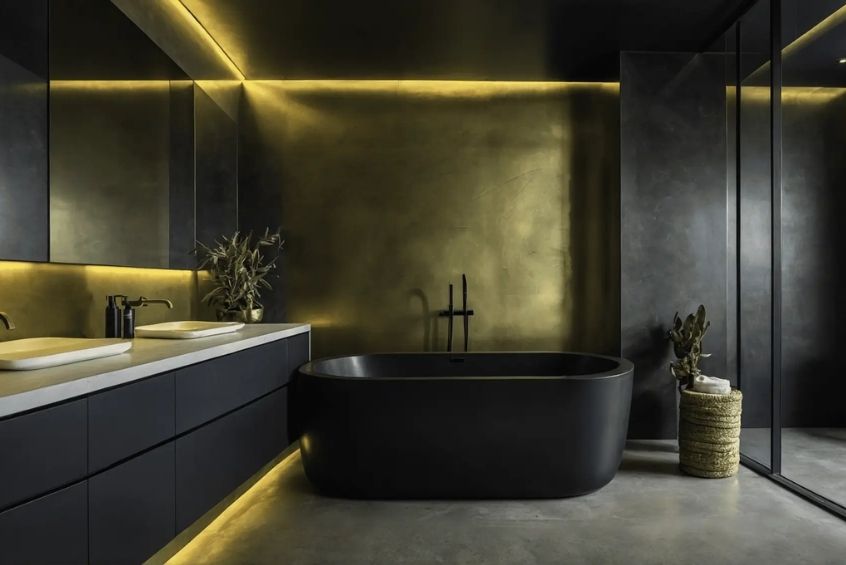
Microcement countertops are gaining attention for their clean appearance and flexibility in modern kitchens. They offer a continuous surface without visible seams and can be applied over existing materials. In this guide, we break down what to expect, including design options, installation, microcement countertop cost, and long-term performance so you can decide if it fits your space.
What Are Microcement Countertops?
Microcement countertops are thin cement-based coatings applied over a prepared surface to create a smooth, continuous finish. Unlike traditional poured concrete, the material is applied in layers and sealed to form a durable surface.
These surfaces are commonly used in kitchens and bathrooms where a clean, uninterrupted look is preferred. Microcement kitchen countertops can be installed over substrates like wood, MDF, tile, or existing stone, which reduces the need for full demolition.
The result is a solid surface with a concrete-style finish that can be customized in tone and texture. Because of its thin application, microcement is also used for vertical surfaces, backsplashes, and integrated sinks, making it a flexible option for cohesive kitchen design.

Benefits of Microcement Countertops
Microcement is chosen for both visual and practical reasons. It offers flexibility in design and can adapt to different layouts without the constraints of prefabricated slabs.
Seamless Surface
One of the main advantages of seamless countertops is the absence of joints. This reduces buildup in seams and creates a continuous look across the entire surface, including edges and backsplashes.
Can Be Applied Over Existing Surfaces
Microcement over existing countertops avoids full removal in many cases. This can reduce labour time and limit disruption in the kitchen during upgrades.
Custom Appearance
These surfaces can be adjusted in colour, tone, shape, and texture. Many homeowners choose concrete look countertops for a minimal or industrial-style kitchen. Unlike slab materials, it can be applied around curves, corners, and unique layouts without needing joints or cut lines.
Lightweight Application
Because the material is applied in thin layers, it doesn’t add significant weight. This makes it suitable for installations where heavier materials may not be ideal.
Versatile Design Use
Microcement can wrap around edges, vertical panels, and islands without interruption. This allows for more flexibility compared to slab-based materials.
Low Joint Maintenance
With fewer seams, there are fewer areas where dirt or moisture can collect. This simplifies cleaning compared to multi-piece countertop systems.
Adaptable for Renovations
Microcement is often used in remodels where existing structures are kept. This makes it a practical option for updating kitchens without major structural changes.
Consistent Across Different Surfaces
Microcement allows the same finish to be applied on countertops, backsplashes, and even vertical panels, creating a unified look across the kitchen. When reviewing microcement countertop pros and cons, the flexibility and surface continuity are usually the main advantages.

Microcement Countertop Ideas & Design
Microcement works well in kitchens where continuity and simplicity are the goal. It’s often used for full-surface applications, including countertops, backsplashes, and islands in the same finish. Common microcement kitchen ideas include neutral tones like grey, beige, and off-white. These colours work well with wood cabinetry, matte black fixtures, or flat-panel designs.
Integrated sinks are another popular option. Since the material can be applied continuously, the sink and counter can appear as one piece. This reduces visual breaks and simplifies cleaning.
You’ll see microcement worktops used in open-concept kitchens where the island becomes the focal point. The consistent finish helps tie together surrounding materials without adding visual clutter.
Darker tones are also used to create contrast against lighter cabinetry, especially in larger kitchens. Textured finishes can add subtle variation without overwhelming the space. Some designs extend microcement into open shelving or wall features to maintain consistency throughout the room.
Microcement vs Other Countertop Materials
When comparing microcement vs quartz countertops and other materials, the differences come down to structure, installation, and maintenance.
Microcement stands out for its flexibility and ability to create a continuous surface without joints. Traditional materials rely on slab sizes and visible seams. Another key difference is adaptability. Microcement is shaped and finished on-site, while most other materials depend on prefabrication and transport.
Cost of Microcement Countertops
Microcement countertop cost depends on surface size, preparation work, and complexity of the design. Projects that require leveling, reinforcement, or detailed finishing will increase pricing.
On average, microcement falls into a mid-range category compared to other materials. While it may not be the lowest-cost option, it can reduce expenses tied to demolition if applied over existing surfaces. Labour plays a major role in final pricing due to the multi-layer application process.
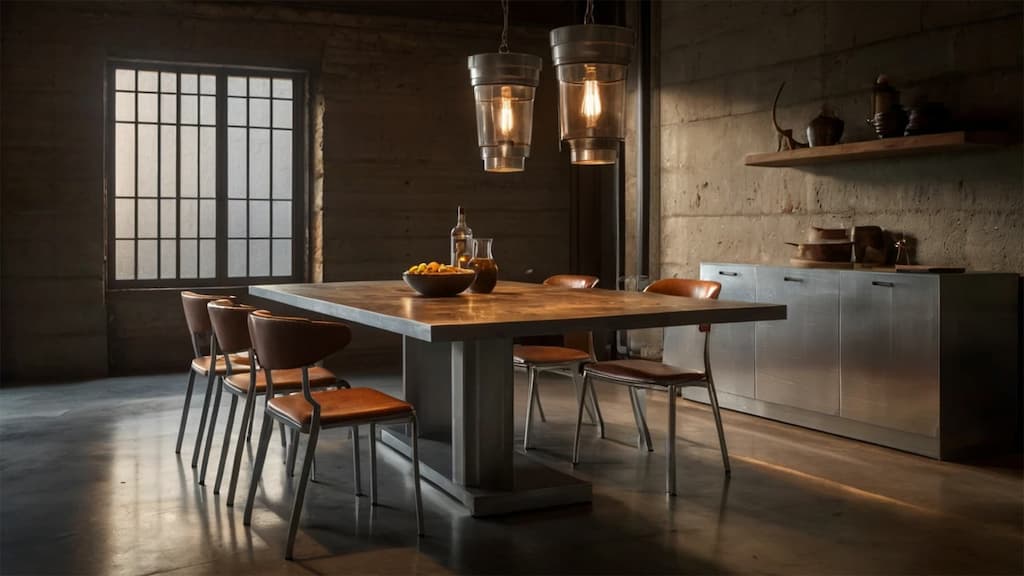
Durability & Maintenance
A common question is: are microcement countertops durable? When installed and sealed correctly, they perform well in everyday kitchen use. The surface resists minor impact and handles regular activity, but like most finishes, it’s not immune to damage from sharp objects or heavy impact.
Microcement countertop maintenance involves routine cleaning with non-abrasive products. The sealed surface helps resist stains, but periodic resealing may be required over time depending on usage.
Heat resistance is generally good, but using trivets is still recommended. Scratches can occur, though minor marks can sometimes be repaired without replacing the entire surface. Proper installation and ongoing care help bring long-term performance.
It’s also important to maintain the sealer over time. High-use areas may require resealing sooner, especially around sinks and prep zones. Compared to traditional materials, repairs can often be handled locally without removing the entire surface, which helps extend the lifespan of the countertop.

Installation Process
Understanding how to make microcement countertops helps explain why installation quality matters.
Step 1: Surface Preparation
The process begins with preparing the base surface. This may involve cleaning, leveling, and reinforcing the substrate to prevent movement or cracking later on.
Step 2: Priming the Surface
A primer is applied to help the material bond properly to the substrate and create a stable base for the next layers.
Step 3: Applying Microcement Layers
Multiple layers of microcement are applied by hand. Each layer is spread evenly and allowed to dry before the next is added. Even application is important to avoid inconsistencies in texture or thickness.
Step 4: Controlled Drying Between Layers
Drying times between layers are managed carefully to prevent moisture from being trapped within the system and to maintain structural stability.
Step 5: Sanding and Surface Refinement
Once the desired thickness and finish are achieved, the surface is sanded to create a smooth, consistent texture. This step also helps refine the final appearance.
Step 6: Edge Detailing
Since microcement wraps around surfaces, corners and edges are shaped carefully to maintain a consistent and continuous look across the entire countertop.
Step 7: Sealing the Surface
Sealing is a key part of the process. A protective sealer is applied to make the surface resistant to moisture, stains, and daily use. The quality of this step directly affects durability.
Step 8: Final Inspection
Final inspection is completed before and after sealing to confirm there are no imperfections that could affect the finished result. Any adjustments are made at this stage before the protective layer is applied.
Step 9: Curing Time
Curing time follows, during which the surface hardens and reaches full performance strength.
Step 10: Environmental Control
Environmental conditions such as temperature and humidity are monitored throughout the process, as they can affect curing time and final finish.
Because the application is done manually and in stages, experience plays a major role. Poor preparation or rushed installation can lead to cracking or uneven finishes. This is why microcement is typically installed by trained professionals rather than treated as a simple DIY project.

Final Thoughts on Microcement Countertops
Microcement countertops offer a clean, continuous surface with flexibility in both design and installation. They work well for renovations, custom layouts, and kitchens where a seamless finish is preferred. It helps to understand the installation process, maintenance needs, and design flexibility to set clear expectations before starting a project.
If you’re considering microcement kitchen countertops, it’s important to work with a team that is experienced with the material and applies it correctly. Contact us at Craftex to review your project, get a clear estimate, and see how microcement can fit your space today.
FAQs
Are microcement countertops durable for daily use?
Yes, they perform well when installed and sealed properly. They handle regular kitchen use, but care is needed to avoid deep scratches or heavy impact.
Can microcement be applied over existing countertops?
Yes. Microcement over existing countertops is common, as long as the base surface is stable and properly prepared before application.
How much maintenance do microcement countertops require?
Basic microcement countertop maintenance includes regular cleaning with mild products and occasional resealing to maintain surface performance.
How does microcement compare to quartz countertops?
When comparing microcement vs quartz countertops, microcement offers a seamless look and on-site application, while quartz provides a harder, prefabricated surface with minimal maintenance.
Is microcement a good option for kitchen renovations?
Yes. It works well in remodels where removing existing materials is not ideal and where a continuous, modern surface is preferred.